


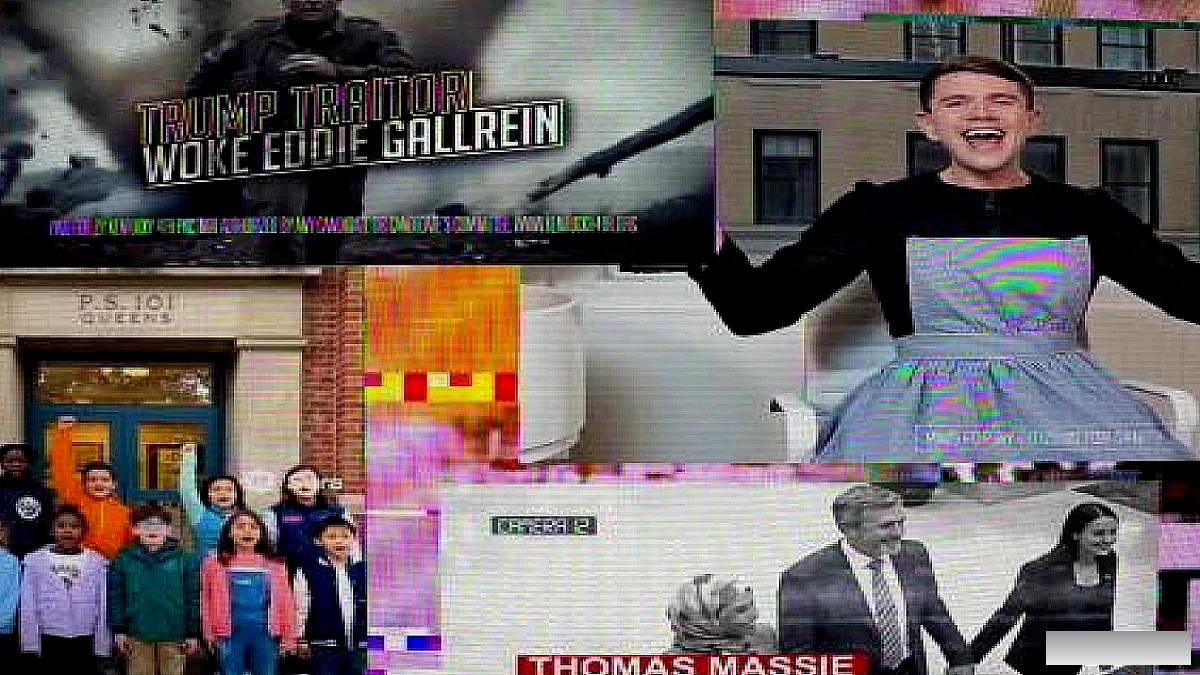
अपने बिस्तर के आराम से, क्वींस, न्यूयॉर्क में एक सिटी काउंसिल सीट के लिए एक राजनीतिक उम्मीदवार जोनाथन रिनाल्डी ने अपने आईफोन पर छेड़छाड़ की, जिससे एक कृत्रिम बुद्धिमत्ता चैटबॉट ने नकली समाचार हिट और समर्थन का मजाक उड़ाया जो उन्हें कभी नहीं मिला था।
पिछले अक्टूबर में अभियान के दौरान, रिनाल्डी ने अपने फेसबुक और इंस्टाग्राम पर सीएनएन लोगो के साथ वास्तविक दिखने के लिए बनाई गई उन कहानियों में से एक को साझा किया। इसमें कहा गया है कि लिन शुलमैन, उनके प्रतिद्वंद्वी और एक मौजूदा डेमोक्रेट, को "महत्वपूर्ण गलतियों की एक श्रृंखला के कारण दौड़ से बाहर निकलने के लिए मजबूर किया गया था"। लेकिन शुलमैन ने अपने अभियान को नहीं छोड़ा था, और नवंबर में, एक भूस्खलन से जीता था।
रिनलडी ने महसूस किया कि ये पोस्ट "कला" थी – और निश्चित रूप से राजनीतिक भाषण की रक्षा की। "मैंने मीम और राजनीतिक व्यंग्य बनाया; मैंने जो कुछ भी किया वह नकली नहीं है ," उन्होंने कहा। लेकिन स्थानीय अधिकारियों ने 47 वर्षीय वैक्सीन संशयवादी और सीरियल शुक्राणु दाता पर आरोप लगाया
"अभियान झूठ से भरे हुए हैं, ठीक है ," रिनाल्डी ने एक साक्षात्कार में गार्जियन को बताया।" मैं जो कह रहा हूं वह यह है कि मैं किसी और से अलग कुछ नहीं कर रहा हूं। "
हालांकि इस तरह का प्रवर्तन दुर्लभ है, और रिनाल्डी के खिलाफ आरोप लगाने के लिए उपयोग किए जाने वाले कानून पूर्ववर्ती हैं और AI के उपयोग की आवश्यकता नहीं है, मामले के केंद्र में कथित धोखे राजनीतिक संचार में AI को विनियमित करने के बारे में एक भयंकर राष्ट्रीय बहस का प्रतीक है।
Rinaldi विवाद करता है कि उसने किसी भी कानून का उल्लंघन किया है और ऑनलाइन गतिविधि के लिए गिरफ्तार किए जाने के स्वतंत्र भाषण निहितार्थ के बारे में चिंता करता है। उन्होंने कहा, "पुलिस के लिए यह बहुत महत्वपूर्ण है कि वह AI द्वारा बनाई गई सोशल मीडिया पोस्ट की शिकायतों पर आपको गिरफ्तार न कर सके।"
AI - जनरेट किए गए विज्ञापन इस चुनाव के मौसम में हर जगह हैं। वे ज्यादातर उम्मीदवारों का प्रचार करते हैं, या अपने विरोधियों का मजाक उड़ाते हैं – अक्सर उम्मीदवारों से असंबद्ध बाहरी समूहों द्वारा भुगतान किया जाता है। लेकिन उनका व्यापक उपयोग – और कभी – कभी बुरा अभिनेता – चिंताओं को बढ़ावा दे रहा है कि भ्रामक राजनीतिक सामग्री मतदाताओं में हेरफेर कर सकती है और नवंबर के मध्यकाल से पहले गलत जानकारी को बढ़ा सकती है।
देश भर में कांग्रेस की प्राथमिक दौड़ में, ध्यान आकर्षित करने वाले AI - जनित विज्ञापन पहले से ही विवाद पैदा कर रहे हैं। एक वीडियो में टेक्सास डेमोक्रेटिक सीनेट के उम्मीदवार जेम्स टैलारिको को साउंड ऑफ़ म्यूज़िक से मारिया के रूप में पहना गया और ट्रांस किड्स के बारे में मेरी पसंदीदा चीज़ों का एक संस्करण गाया गया। एक अन्य सुझाव थॉमस मैसी, एक रूढ़िवादी केंटकी कांग्रेसी, था हार्वर्ड कैनेडी स्कूल के एक साथी और व्याख्याता ब्रूस श्नीयर ने कहा, "इनमें से अधिकांश विज्ञापन लोगों को मनाने की कोशिश नहीं कर रहे हैं।" “वे सामाजिक सिग्नलिंग के बारे में हैं। महत्वपूर्ण बात यह है कि: मेरी टीम को आपकी टीम पर भरोसा है।"
यहां तक कि राष्ट्रपति भी एक प्रशंसक हैं। डोनाल्ड ट्रम्प ने AI "स्लोपैगंडा" में भारी झुकाव किया है – खुद को टाइम पत्रिका के कवर की शोभा बढ़ाने वाले राजा के रूप में चित्रित करते हुए, एक पोप और जेडी के साथ काम करने वाले एक लाइट - सबर। उन्होंने पूर्व राष्ट्रपति बराक ओबामा को दर्शाते हुए एक नस्लवादी वीडियो भी साझा किया
AI के कुछ उपयोग अधिक भ्रामक रहे हैं। 2023 के राष्ट्रपति प्राथमिक में, फ्लोरिडा के गवर्नर, रॉन डिसेंटिस ने पोस्ट किया कि ट्रम्प की AI - जनरेट की गई छवि डॉ एंथोनी फाउसी को गले लगाती हुई दिख रही है – जो उनकी महामारी प्रतिक्रिया रणनीति पर रिपब्लिकन के गुस्से का निशाना बन गए थे। जनवरी 2024 में, एक राजनीतिक सलाहकार विशेषज्ञों ने चेतावनी दी है कि अत्याधुनिक नए AI टूल ने बड़े पैमाने पर गलत जानकारी का निर्माण और विस्तार करना बहुत आसान बना दिया है। जनता भी उन चिंताओं को साझा करती है। पीबीएस न्यूज़, एनपीआर और मैरिस के मार्च 2026 के एक सर्वेक्षण में पाया गया कि 85% अमेरिकियों का कहना है कि यह संभावना है कि AI - जनित राजनीतिक सामग्री नवंबर के चुनावों के बारे में गलत जानकारी फैलाएगी। अविश्वास का पैमाना एक्रो को रोकता है
ब्रेनन सेंटर फॉर जस्टिस संघीय चुनाव आयोग पर "जानबूझकर भ्रामक AI - उत्पादित सामग्री" पर निर्णायक रूप से कार्य करने के लिए दबाव डाल रहा है, इस डर से कि उम्मीदवारों का प्रतिरूपण करने वाले डीपफेक "दाताओं को धोखा देने के लिए एक तेजी से प्रभावी उपकरण बनने की संभावना है"। अमेरिकी कानून संघीय उम्मीदवारों और उनके एजेंटों को धोखाधड़ी से खुद को "बोलने या बोलने" के लिए गलत तरीके से प्रस्तुत करने से प्रतिबंधित करता है
राजनीतिक विज्ञापनों में डीपफेक पर 30 से अधिक राज्यों ने नियम लागू किये
राजनीतिक संचार के नियामक ढाँचे में उलझन, लागू करने में कमी
Old problem, new challenges
In his bid for city council, Rinaldi, according to the prosecutor’s complaint, prompted AI to dress up his opponent in a “Hot Girls for Zohran” T-shirt. He also posted images and videos falsely stating he had the backing of many local groups, including a police precinct, students at an elementary school and a Jewish interest group. Made-up children – some with their fists raised – chanted outside of a building labeled PS 101 Queens: “Make it real. Make it Rinaldi. Let our voices shine.”
According to the filing, Heather Bennett-Idels, founder of the Queens Jewish Alliance, confronted Rinaldi after he shared an image promoting the group’s endorsement of him. The group had, in fact, endorsed his opponent. “It’s dishonest to have a fake thing up,” she told him.
रिनाल्डी ने कहा: "यह राजनीति है
Experts agree with the idea that candidates lying is as old as politics itself. “The things we’re afraid of with AI are things that have been part of politics since the beginning of politics,” said Peter Loge, director of George Washington University’s project on ethics in political communication. In the 18th century, Benjamin Franklin published a fake supplement to a Boston newspaper with false news about the British – “compelling nonsense for political goals – nothing to do with AI”, Loge says. Still, the new technology poses unique challenges. “AI makes it easier to lie at scale more than ever before. But the problem isn’t the tech, it’s the lie,” he adds.
Politicians who want to mislead voters already have many ways to do so without AI: they can film an actor in a wig, or turn to photoshop or computer-generated imagery (CGI).
Many political consultants recognize the risks of bad actors using AI but argue the tools can have a democratizing effect. Advertising and media are traditionally the most expensive part of a political campaign. Now, access to free or low-cost AI tools means candidates with less money can create content that is on par with opponents who have much larger budgets, they say.
“AI is a tool for producing truthful content. It can also be a tool for producing not truthful content,” said Julie Sweet, who leads the American Association of Political Consultants’ (AAPC) work on AI and modern political communication.
The AAPC produced a “meaningful disclosure framework” that advises members not to publish content in which synthetic audio or video that’s realistic enough to be mistaken for a genuine recording, generates words the opponent never said, or depicts them at a meeting or location they never attended. For cases in which AI re-creates a specific documented public event from news reports, or enhances an opponent’s photo to look unflattering, it’s worth disclosing, they say. For more innocuous uses of AI, such as translating a candidate’s English speech into Spanish, or a voice clone reading the candidate’s own approved script, the group says that disclosure may not be necessary.
Although members’ views on regulation vary, Sweet says state-mandated disclaimers – particularly ones that require the words “fake” or “manipulated” for AI use in political communications, can reduce trust with the audience, even in cases that don’t have anything to do with deception.
मीडिया में सही शब्दों के उपयोग पर समूह की नई सिफ़ारिश
Amid constantly changing regulations, at least one AI tool has baked state laws into their user interface. BattlegroundAI helps users build video, image and text ads for political candidates that complies with current regulations. (That includes the number of seconds a disclaimer needs to run, and particular font sizes).
“Maybe this technology is giving bad actors a slightly lower bar to entry into lying but that is absolutely not a representation of the collective,” said Maya Hutchinson, BattlegroundAI’s founder.
Political researchers and experts expect an explosion of AI-generated political content. As free tools have dramatically lowered financial and technical barriers, candidates can now pump out polished, hyper-personalized campaign materials – in Rinaldi’s case, from his bed in Queens. Undeterred by his loss, he’s now focused on a new campaign: running for state assembly.
“I’m utilizing tools at my disposal to go against the power structure,” Rinaldi said. “And I have to do things that they do not expect because if I just did the same thing that everybody else did, I don’t have a shot.”

Comments ()
Be the first to share your perspective on this story!